
Operating model and transformation: changing the business without losing it
The operating model is how strategy becomes daily work. Our writing on transformation is for leaders who need the organisation to change, and need it to keep running while it does.
An operating model covers who decides what, how work flows, where capabilities sit, and how performance is measured. When strategy shifts but the operating model does not, the organisation keeps producing the old results, however good the new plan looks on paper.
Transformation programmes fail for familiar reasons: ambitions that are not sequenced, milestones that cannot be measured, and decision rights that are shared by everyone and held by no one. Our explainers and board guides set out how to diagnose those problems early and how to govern change so that it lands. They also cover how AI is reshaping operating models, since the technology rarely pays back without changes to decisions and workflows.
The questions we explore
- Does our operating model still match the strategy we have chosen?
- Who holds the decision rights for the changes we are asking for?
- Which measures tell us the business is healthy, and which tell us it is changing?
- What should a board ask before it approves a multi-year programme?
Read our operating model and transformation writing

What is an operating model, and when should you redesign it?
The operating model is how strategy becomes daily work. Here is what it covers and the signs that yours needs attention.
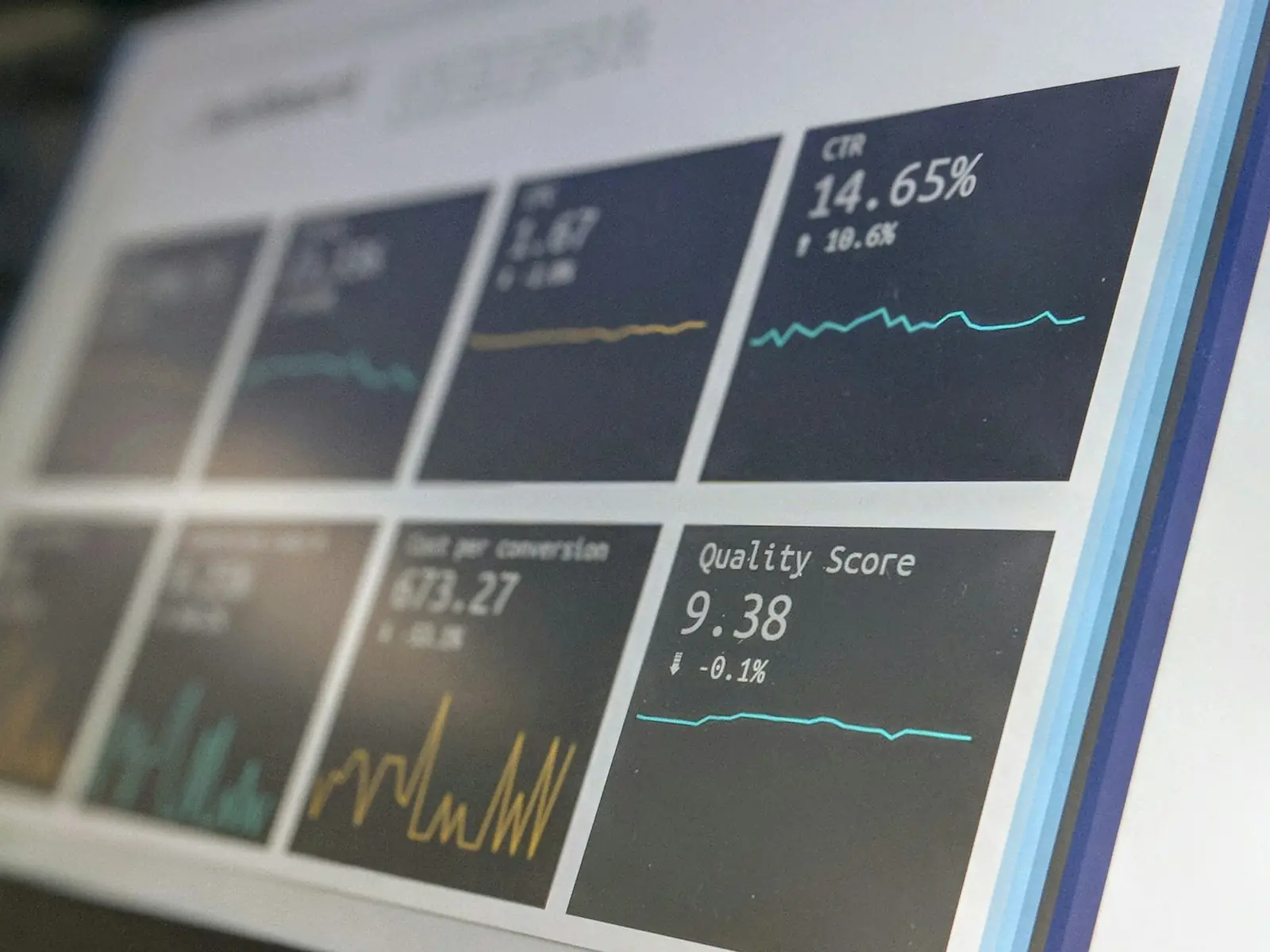
OKRs vs KPIs: what is the difference, and which does your organisation need?
KPIs tell you how the business is performing. OKRs tell you what you are trying to change. Most organisations need both.

AI is an operating-model question first
Why the winners are redesigning decision rights before they deploy models.
Also useful: The RavenArc Decision Method.
One considered idea, straight to your inbox.
A short note when we publish something worth a leader’s time. No noise, and you can leave with one click.